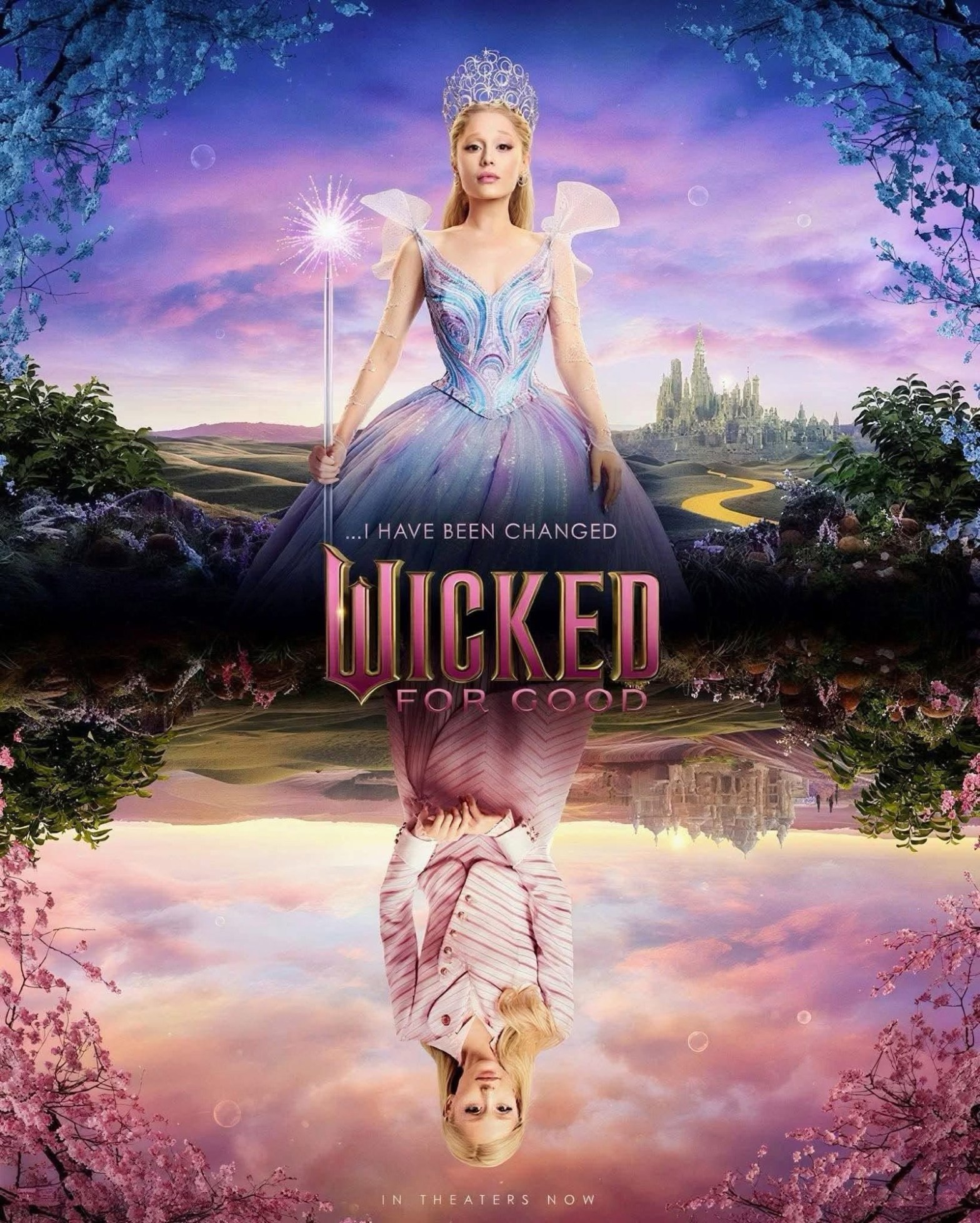
The stories of The Wizard of Oz and Wicked offer profound lessons that can reshape lives and reinforce moral principles by exploring themes of identity, perception, and inner strength.
🧙♀️ The Wizard of Oz: Inner Strength and Core Values
The original tale and film, The Wizard of Oz, emphasizes that the qualities we seek are often within us all along:
• Self-Discovery: Dorothy’s journey home teaches the moral that “There’s no place like home,” implying that true contentment and happiness often lie in the simple, familiar things and the love of those around us.
• Recognizing Personal Power: The companions—the Scarecrow, Tin Man, and Cowardly Lion—all possess the very things they seek (brains, heart, and courage) before receiving them from the Wizard. This restores the moral that we already have the power to face our fears and accomplish our goals; we just need to realize it.
• The Value of Friendship: The characters could not have succeeded alone; their reliance on each other for support, encouragement, and practical help highlights the moral importance of community and true friendship.
💚 Wicked: Moral Ambiguity and Challenging Assumptions
The musical Wicked, which acts as a prequel to the Oz story, challenges simplistic morality and offers a more complex view of good and evil:
• Challenging Assumptions: Wicked famously asks, “Are people born wicked, or is wickedness thrust upon them?” By showing the world through the perspective of Elphaba (the future Wicked Witch of the West), the story restores the moral of looking beyond surface appearances and never judging a book by its cover. It illustrates that “evil” is often a label given by those in power to people they misunderstand or oppress.
• Standing Up for What is Right: Elphaba’s journey is defined by her determination to be a champion for those who need her help, even at great personal cost. Her defiant song “Defying Gravity” encapsulates the moral of standing up for your beliefs and refusing to accept limits imposed by others, even if it means being misunderstood or scorned.
• The Potential for Change: Characters like Glinda and Fiyero undergo significant change, moving past shallow concerns to use their power for good or uphold their newly found morals. This reinforces the idea that change is always possible and mistakes are not necessarily final.
Both stories, in their own ways, invite audiences to look inward and challenge outward perceptions, ultimately encouraging a more compassionate, self-aware, and morally active life.
 Blogs by ashley1beauty