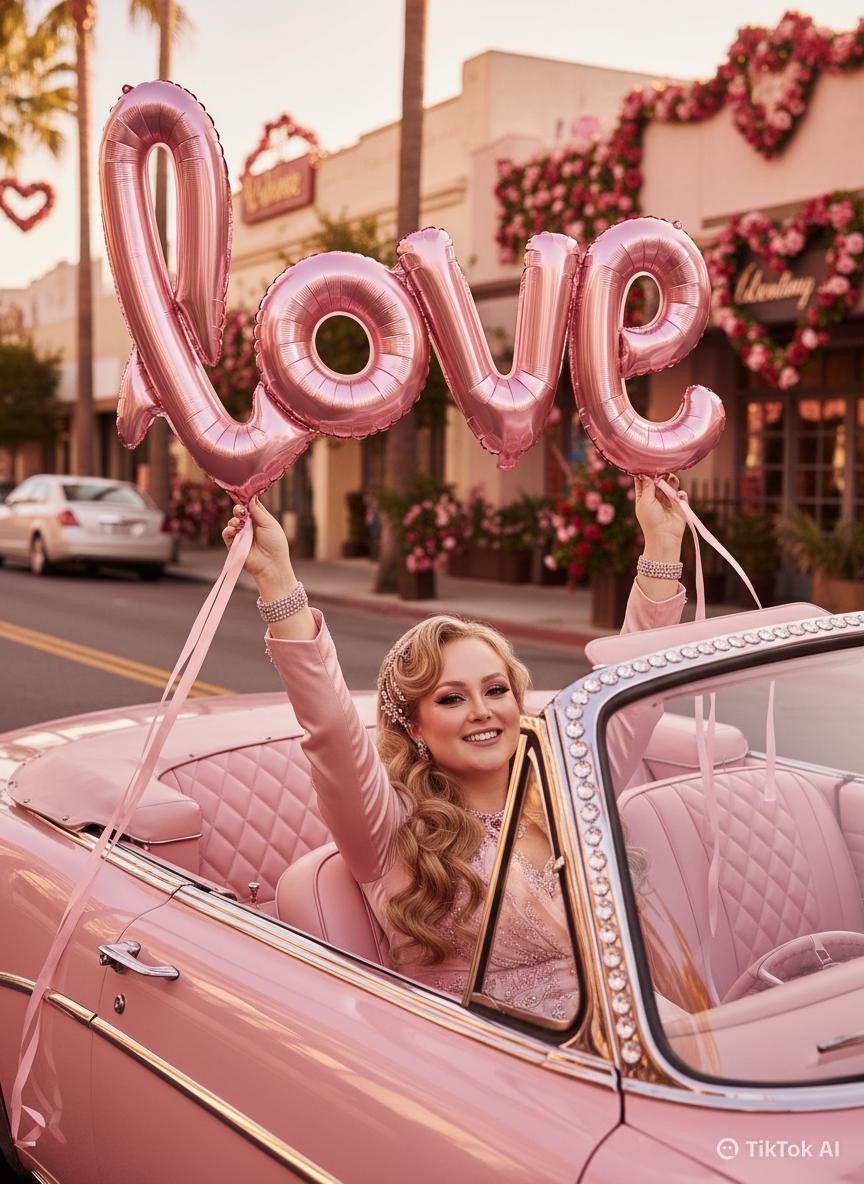
Love is a profound human emotion that fosters deep connections, emotional fulfillment, and personal growth. It encompasses affection, compassion, and commitment, playing a central role in well-being and relationships.
Core Meaning
Love involves strong emotional attachment, intimacy, passion, and care toward others, oneself, or even ideals. It ranges from romantic bonds and familial ties to platonic friendships and self-love, often marked by unselfish concern for another’s happiness. Philosophers like Bertrand Russell called it a condition of “absolute value,” while religious texts, such as 1 Corinthians 13, describe it as patient, kind, and enduring.
Psychological Importance
Psychologist Abraham Maslow ranked love as a foundational need after basic survival, driving behavior and psychological health. It reduces loneliness, boosts resilience, and promotes emotional development by making people feel safe, understood, and open to the world. Studies show strong loving connections enhance happiness, lower stress, and even dull pain perception.
Social and Health Benefits
Love builds empathy, reciprocity, and harmony in society, as seen in philosophies like Mozi’s universal love or Buddhist loving-kindness. Health-wise, it spurs growth, passion, and self-discovery while fostering secure attachments that combat depression. Platonic love, often overlooked, sustains daily well-being through friendships and community.
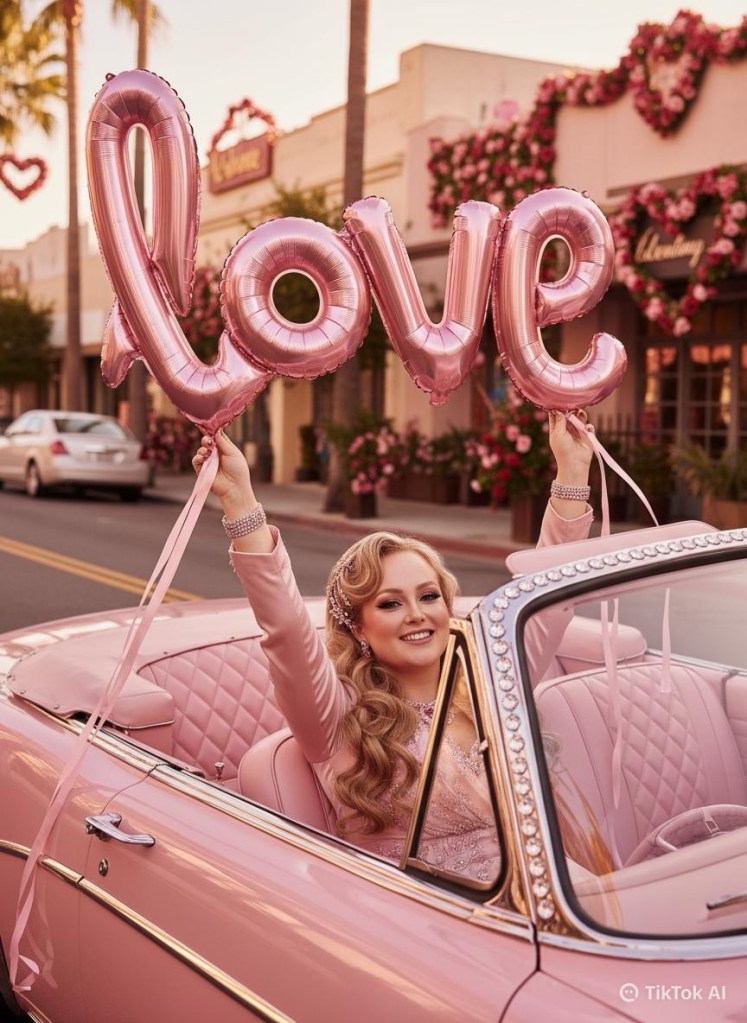
Love wields immense power because it drives human connection, resilience, and transformation on personal and societal levels.
Emotional Resilience
Love equips people to endure hardships by providing unwavering support and hope. It acts as an emotional anchor during crises, fostering courage and healing through empathy and shared vulnerability.
Behavioral Influence
It motivates selfless actions, from everyday kindness to heroic sacrifices, reshaping priorities and behaviors. Love inspires generosity, forgiveness, and growth, often overriding fear or self-interest.
Societal Impact
Love fuels movements for justice, unity, and progress, binding communities and dissolving divisions. Historically, it has sparked revolutions, built lasting institutions, and healed conflicts through compassion.
Biological Strength
Chemically, love triggers oxytocin and dopamine, enhancing bonding, reducing stress, and boosting physical health. This innate power makes it a survival mechanism, strengthening families and societies.
 Blogs by ashley1beauty
Nice one
LikeLiked by 1 person