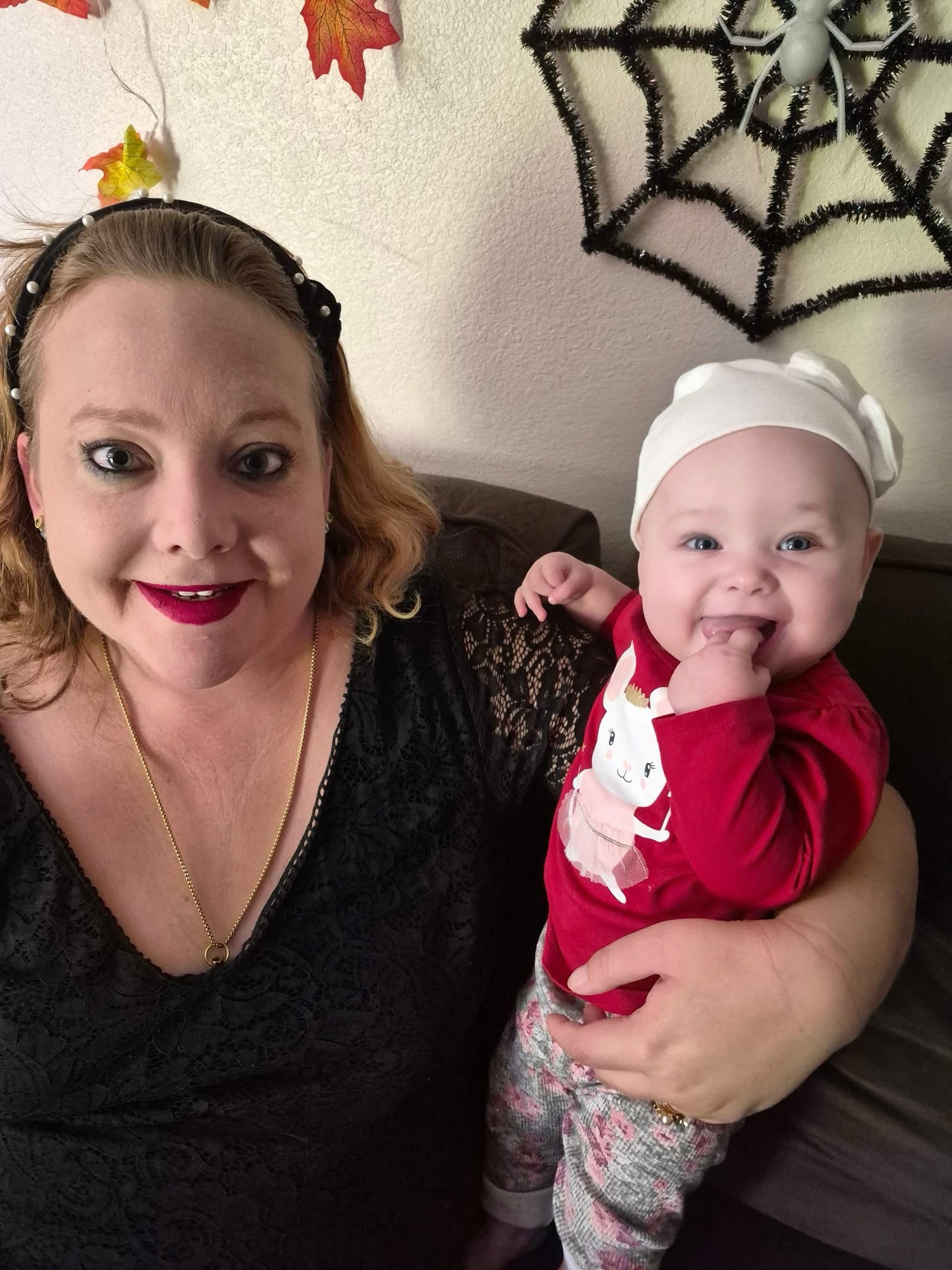
To start modeling as a baby or young child, focus on natural, high-quality photos, find reputable agencies, and keep the experience fun and safe. Building a simple yet professional portfolio is key to getting noticed.
Here’s a breakdown of how to get started and what to include in a baby or youth modeling portfolio:
👶 Baby & Toddler Modeling: Getting Started
- Understand the Industry
- Baby and child modeling includes work in ads, catalogs, commercials, and social media campaigns go-models.
- It’s less about runway and more about expressiveness, personality, and comfort in front of a camera Backstage.
- Keep It Fun and Safe
- Your child’s comfort is the top priority. If they’re not enjoying it, it’s okay to pause or stop.
- Always work with legitimate agencies—never pay upfront fees for representation go-models.
- Legal & Practical Prep
- Babies need work permits in many states.
- Set up a Coogan account (a trust account required in some states to protect earnings).
- Be prepared for parental involvement—you’ll be on set with them at all times KidsCasting.
📸 Portfolio Ideas for Babies & Young Kids
You don’t need a professional shoot to start. Use natural light and a good smartphone camera to capture:
- Headshots
- Close-up of the face with a neutral background.
- No makeup, hats, or filters—natural is best.
- Full-Body Shots
- Standing or sitting, showing posture and proportions.
- Include a smiling and a neutral expression.
- Personality Shots
- Capture your child laughing, playing, or reacting to something.
- These show casting agents their range and charm.
- Outfit Variety
- Use simple, solid-colored clothes—avoid logos or busy patterns.
- Include a few different looks: casual, dressy, seasonal.
- Update Regularly
- Babies change fast! Refresh the portfolio every 3–6 months.
🧠 Pro Tips
- Social media can help—create a dedicated Instagram account to showcase your child’s photos.
- Avoid scams: Real agencies don’t ask for money upfront. Look for ones with a proven track record.
- Be patient: Rejection is common. Stay positive and keep trying.
🌟 Advanced Tips for Baby & Youth Modeling Success
📁 Build a Standout Portfolio
- Consistency matters: Use similar lighting and backgrounds across photos to create a cohesive look.
- Include action shots: Capture your child walking, playing, or interacting with toys to show movement and personality.
- Seasonal updates: Refresh the portfolio with seasonal outfits—think cozy winter looks or sunny summer styles.
🧑💼 Find the Right Agency
- Research thoroughly: Look for agencies with good reviews, a professional website, and real client success stories.
- Check credentials: Reputable agencies are often members of industry organizations like SAG-AFTRA or BBB.
- Avoid red flags: If they ask for money upfront or promise guaranteed work, walk away.
📍 Attend Open Calls & Castings
- Be punctual and prepared: Bring printed photos, snacks, and comfort items for your child.
- Dress simply: Agencies prefer clean, neutral outfits that don’t distract from your child’s features.
- Stay relaxed: Your energy affects your child—keep it light and fun.
📱 Use Social Media Wisely
- Create a modeling account: Keep it separate from personal accounts and focus on showcasing your child’s work.
- Tag brands and agencies: This increases visibility and may lead to reposts or opportunities.
- Engage with followers: Respond to comments and build a supportive community.
🧠 Develop Skills Early
- Practice posing: Make it a game—mirror faces, play with expressions, and reward effort.
- Teach patience: Modeling often involves waiting. Bring books, toys, or games to keep your child entertained.
- Encourage confidence: Compliment their efforts and celebrate small wins.
🛡️ Safety & Wellness Tips
- Limit work hours: Follow child labor laws and avoid long shoots that may exhaust your child.
- Stay involved: Always be present during shoots and advocate for your child’s comfort.
- Watch for burnout: If your child seems stressed or uninterested, take a break.
 Blogs by ashley1beauty